
Activities
CONTENTS
International Business Students Enhance Skills in Negotiation, Payment Methods, and Exchange Rate Risk Hedging
With the aim of enhancing practical skills and strengthening connections between students and real business operations, The Faculty of Administration International Economics successfully organized the program “Negotiation, Selection of Payment Methods and Exchange Rate Risk Hedging in Import Activities.” The program was specifically designed for International Business students and took place on the morning of 21 October 2025, attracting the participation of numerous lecturers, experts, and students.
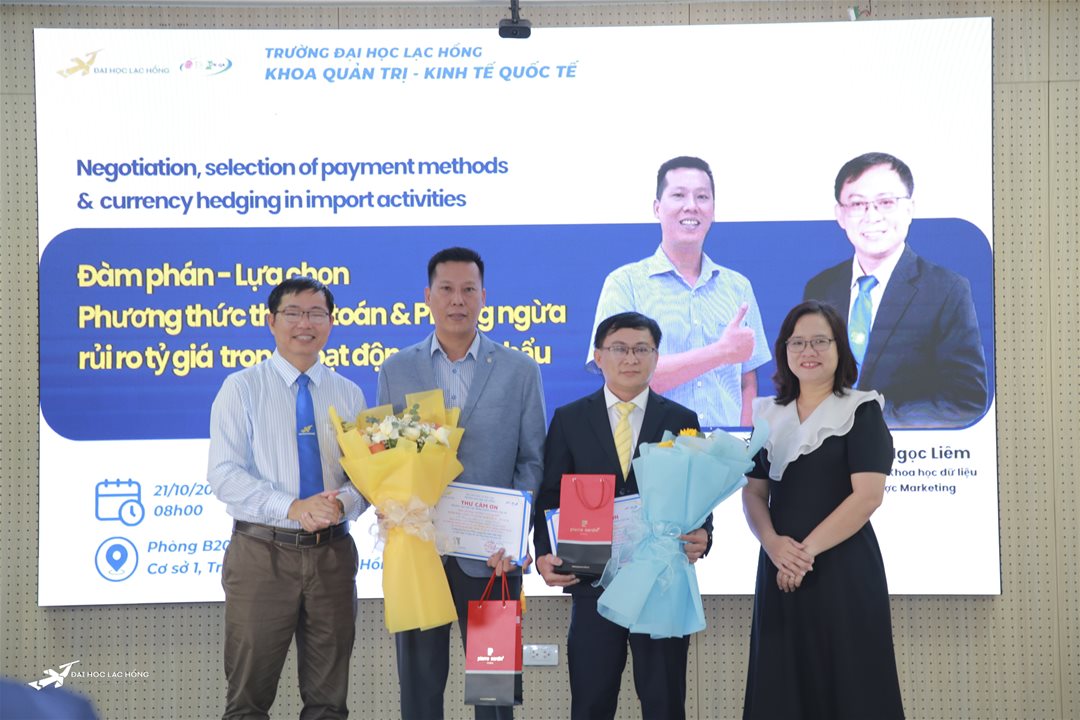
On the morning of 21 October 2025, at Room B203, Campus 1, The Faculty of Administration International Economics successfully organized the program “Negotiation, Selection of Payment Methods and Exchange Rate Risk Hedging in Import Activities.”
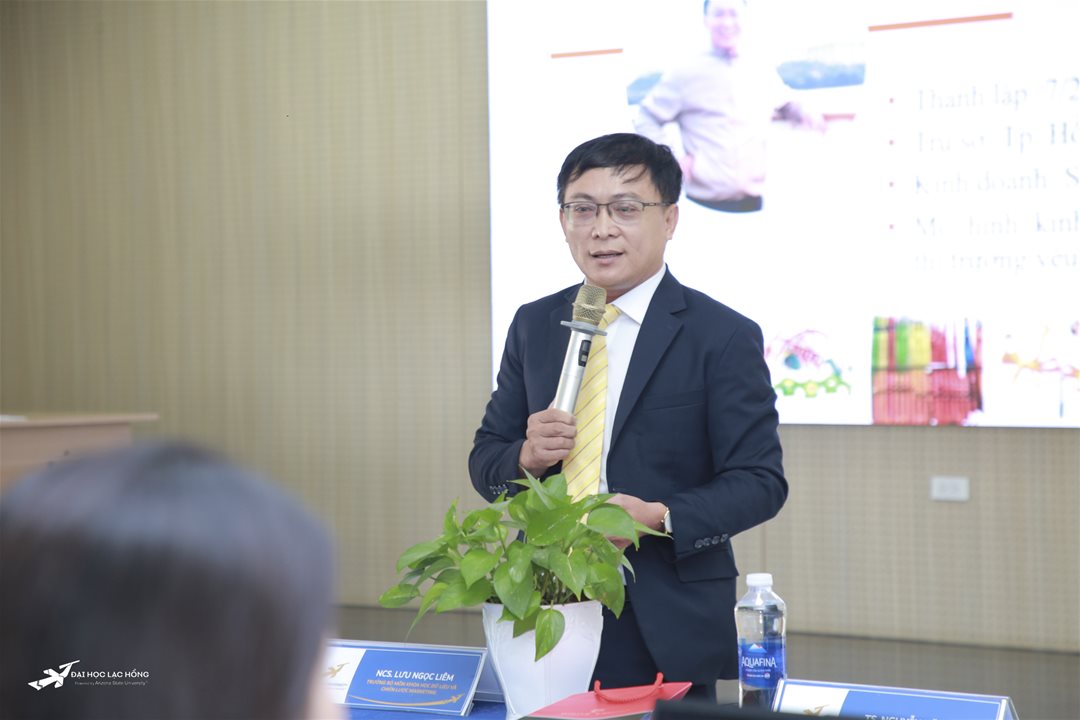
The program was honored by the presence of the Faculty’s leadership; distinguished guest experts including Mr. Hoang Vuong Chi Quyet, Director of EuroTech Company Limited – Ho Chi Minh City, and PhD candidate Luu Ngoc Liem, Director of Luu Gia Phat Import-Export Company – Ho Chi Minh City, who is also Head of the Data Science and Marketing Strategy Division. The event also attracted a large number of lecturers and students from the International Business program.
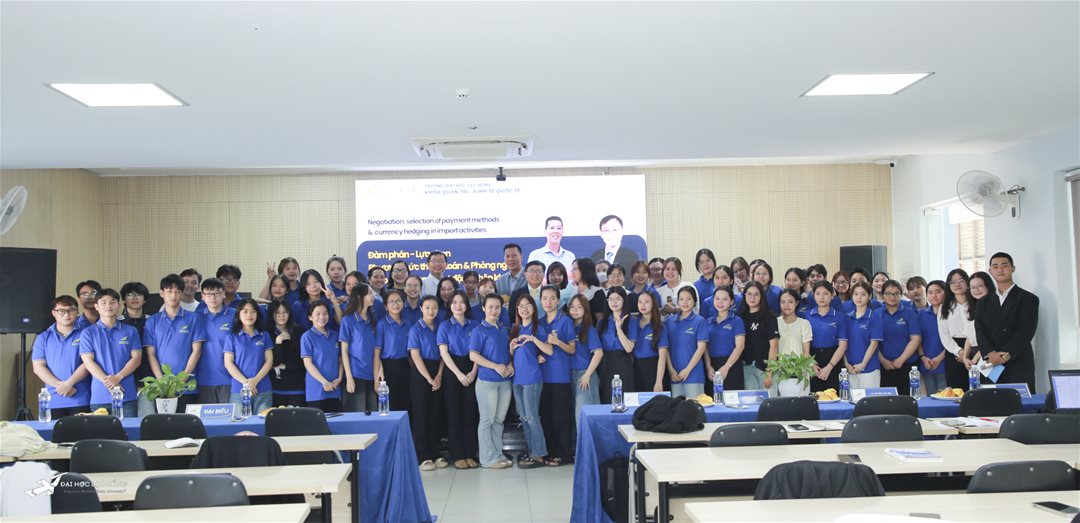
During the session, the two experts delivered in-depth analyses and practical lessons on key issues that Vietnamese enterprises frequently encounter in import activities.
The Art of Negotiation in International Trade
The experts emphasized that negotiation is a strategic process aimed at achieving optimal benefits while maintaining long-term cooperative relationships. To achieve this, Vietnamese enterprises should:
-
Prepare thoroughly: Research partners carefully, clearly define objectives, and develop flexible negotiation scenarios.
-
Focus on soft skills: Mr. Hoang Vuong Chi Quyet shared that language proficiency, a positive attitude, and active listening skills play a crucial role in building trust.
-
Master internal strengths: PhD candidate Luu Ngoc Liem highlighted key factors that enable enterprises to negotiate proactively, including a deep understanding of products and end users, clear identification of customers’ “just-enough” needs, and a solid grasp of trading processes.
-
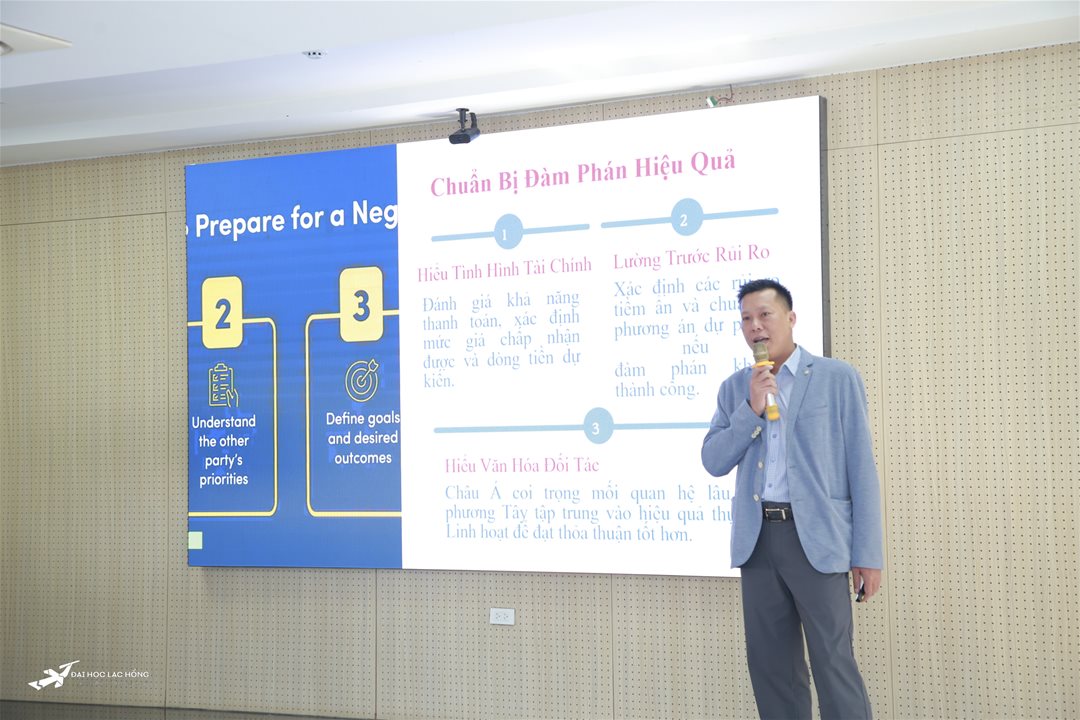
Mr. Hoang Vuong Chi Quyet …
Selecting Payment Methods and Hedging Exchange Rate Risks
Regarding payment methods, the experts recommended that enterprises make flexible choices based on the level of trust:
-
L/C (Letter of Credit): Preferably used with new partners to ensure safety.
-
T/T (Telegraphic Transfer): Suitable for reputable, long-term partners to save time and costs.
Concerning exchange rate risks, Mr. Hoang Vuong Chi Quyet shared several effective hedging measures:
-
Proactively incorporating exchange rate contingencies when finalizing prices based on market economic conditions.
-
Flexibly adjusting payment timing to select favorable exchange rate periods.
-
Building credibility with partners to negotiate extended payment terms when exchange rates fluctuate significantly.
-
Utilizing risk-sharing tools such as selecting stable payment currencies or including exchange rate adjustment clauses in contracts.
-
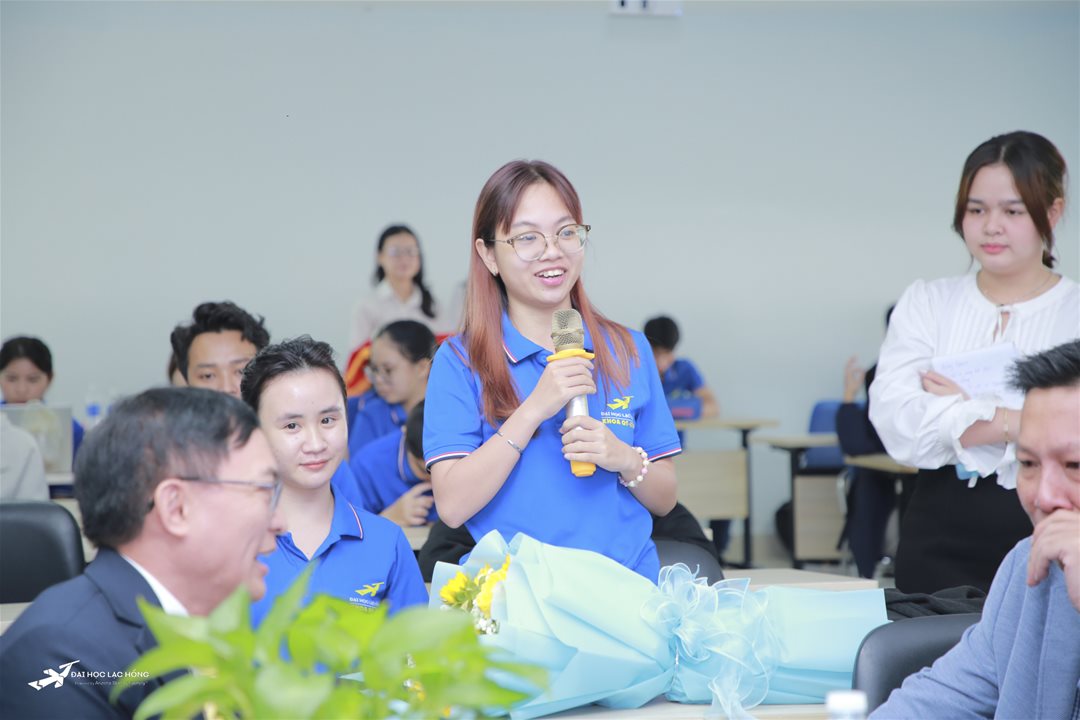
Students actively engaged and interacted enthusiastically with the experts.
At the conclusion of the session, the experts delivered heartfelt advice to International Business students: “Theoretical knowledge is only the foundation. What truly matters is the ability to apply it flexibly in practice, understand the market, understand partners, and continuously update knowledge of international finance.”
Sharing her reflections after the program, student Quynh Nhi (class 24KQ111) stated: “The content on negotiation, selecting payment methods, and hedging exchange rate risks helped me realize that classroom knowledge is only the foundation, while flexible application in real situations is the decisive factor for success. The seminar not only provided professional knowledge but also inspired me to strive for continuous learning, improve my skills, and gain greater confidence in my future career orientation. I sincerely thank the University, the Faculty, and our lecturers for creating opportunities for students to access valuable insights from industry experts.”
The program concluded successfully, providing students with valuable real-world lessons and helping bridge the gap between theory and business practice.
